


 Paul Johnson
 Galaxy Research forecasts that stablecoins will overtake ACH transaction volume in 2026, driven by regulatory clarity, institutional adoption, and explosive growth in digital dollar payments.
Galaxy Says Stablecoins Will Overtake ACH Transaction Volume in 2026
The financial landscape is on the verge of a defining transformation as Galaxy Research predicts that stablecoins will overtake ACH transaction volume in 2026. The firm believes that onchain digital dollars could soon process more value than one of the oldest and most trusted payment systems in the United States.
This bold projection marks a critical shift in how money moves globally, as the world steadily transitions from traditional rails to blockchain networks. Galaxy’s latest report suggests that stablecoin payments could soon rival and even surpass the US Automated Clearing House, the same network responsible for payrolls, bill payments, and direct deposits across the banking system.
Why Galaxy Expects Stablecoins to Dominate
According to Galaxy Research, transaction data shows stablecoin transfers have already outpaced major credit card networks like Visa, processing roughly half the total volume handled by ACH. The analysts note that this trajectory is supported by consistent 30 to 40 percent annual growth in stablecoin supply, coupled with a parallel rise in transaction activity.
Thad Pinakiewicz, Galaxy’s vice president of research, highlighted that demand for stablecoins continues to surge as they become the preferred medium for settlements in crypto markets and beyond. Their growth is no longer confined to DeFi traders or exchanges but is spreading across payment processors, fintech platforms, and traditional banks entering the digital asset ecosystem.
Galaxy expects the introduction of formal definitions and oversight mechanisms under the GENIUS Act in early 2026 to further boost confidence in stablecoin usage. Regulatory clarity could serve as the missing catalyst for broad institutional participation, potentially unlocking billions of dollars in daily settlement activity on public blockchains.
Expanding Stablecoin Market Signals Major Payment Shift
The total market capitalization of stablecoins currently sits around $309 billion, according to DefiLlama data. While Tether’s USDT and Circle’s USDC remain dominant, the competitive landscape is evolving rapidly as legacy financial institutions and global corporations enter the stablecoin arena.
Western Union has already revealed plans to launch a US Dollar Payment Token built on the Solana blockchain, issued by Anchorage Digital Bank. The initiative aims to modernize remittances and settlement flows, making cross-border payments faster and cheaper. Similarly, Sony Bank is developing a dollar-pegged stablecoin that will integrate across Sony’s digital ecosystem, including gaming, streaming, and subscription platforms.
SoFi Technologies also joined the race this week with the launch of SoFiUSD, a fully backed US dollar stablecoin issued by SoFi Bank. The token will debut on Ethereum and serve as a low-cost settlement mechanism for banks, fintechs, and enterprise users seeking real-time transactions.
These launches reflect a larger trend where traditional finance merges with blockchain innovation, signaling that stablecoins are no longer fringe assets but integral tools of modern financial infrastructure.
Institutional Consolidation Expected by 2026
Galaxy Research associate Jianing Wu believes 2026 will mark a year of consolidation for stablecoins tied to major financial institutions. As she explains, both users and merchants are unlikely to adopt dozens of different dollar tokens. Instead, they will naturally gravitate toward one or two leading stablecoins that offer the broadest acceptance and strongest regulatory backing.
This consolidation will likely mirror how global payment systems like Visa and Mastercard captured mass market trust decades ago. In the digital era, blockchain-based stablecoins are on track to become the new default for real-time money movement, payroll, and remittances.
As more banks, fintechs, and payment processors align behind regulated stablecoin models, the combined network effect could push stablecoin settlement volumes past the ACH system’s threshold by mid-2026.
A New Era for Digital Dollar Payments
Galaxy’s prediction that stablecoins will overtake ACH transaction volume in 2026 reflects more than just market enthusiasm. It represents a fundamental rethinking of money’s architecture. Blockchain networks now handle billions in value daily, offering instant settlement and transparency that traditional systems cannot match.
The next phase of growth could see governments and major corporations integrating onchain settlement layers into their core operations. If Galaxy’s forecast holds, stablecoins may soon stand shoulder to shoulder with national payment systems as the digital backbone of the global economy.
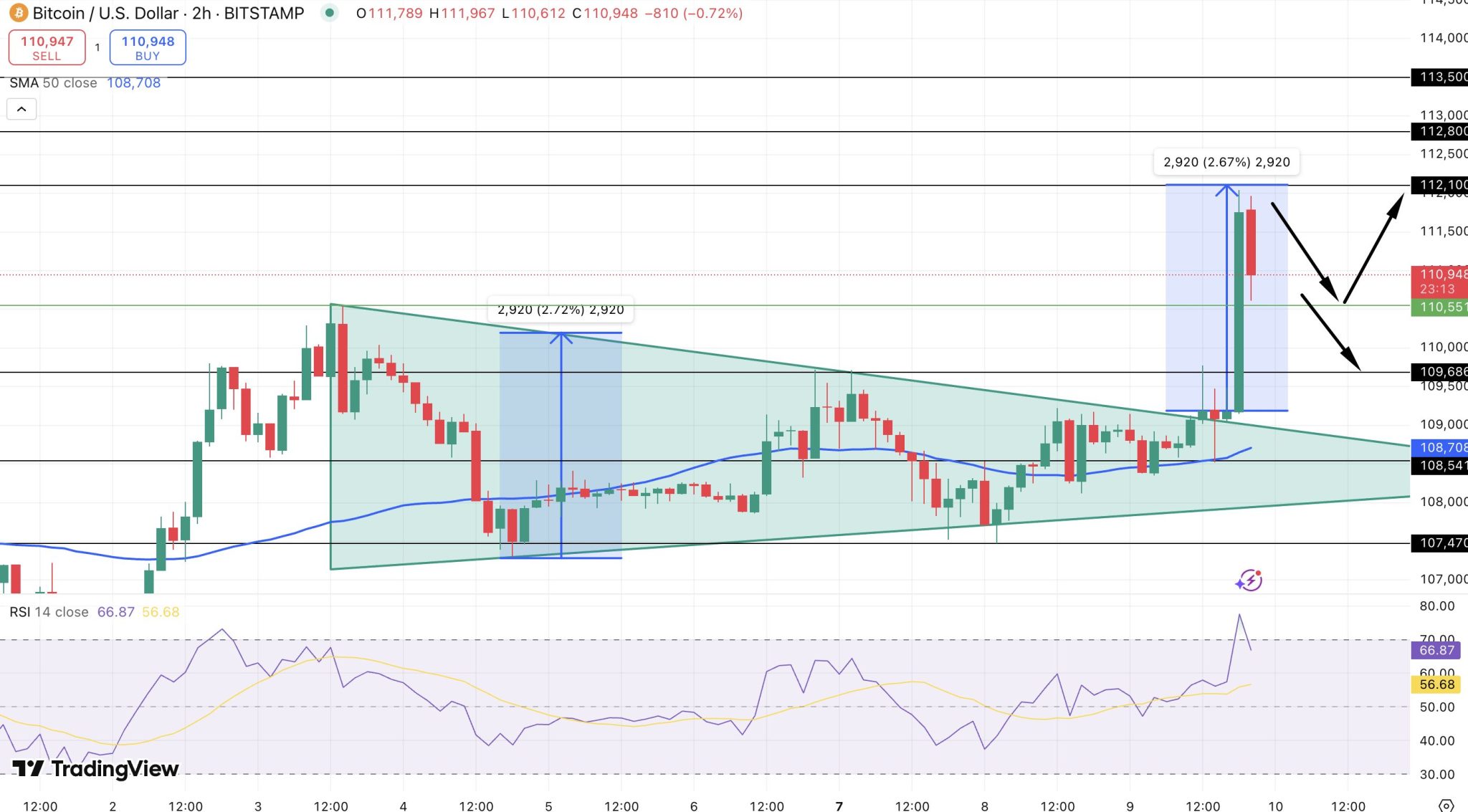
While Bitcoin continues to command headlines with bullish price targets, the quiet revolution in digital dollar usage might prove to be the more transformative story. Stablecoins are not just reshaping crypto they are redefining how money moves in the modern world.
Disclaimer: Parts of this article were generated with the assistance from AI tools and reviewed by our editorial team to ensure accuracy and adherence to our standards.