







 Tom Kushner
 Bitcoin’s struggle to match the performance of gold has reignited debate over its role as Digital Gold. While traditional precious metals have surged amid inflation, geopolitical conflict, and monetary uncertainty, the cryptocurrency has lagged, leaving investors questioning whether Bitcoin’s inflation hedge narrative still holds true. Yet, longtime Bitcoin advocates insist this phase is merely a structural adjustment, not a signal of decline.
Bitcoin’s Performance Trails Traditional Safe Havens
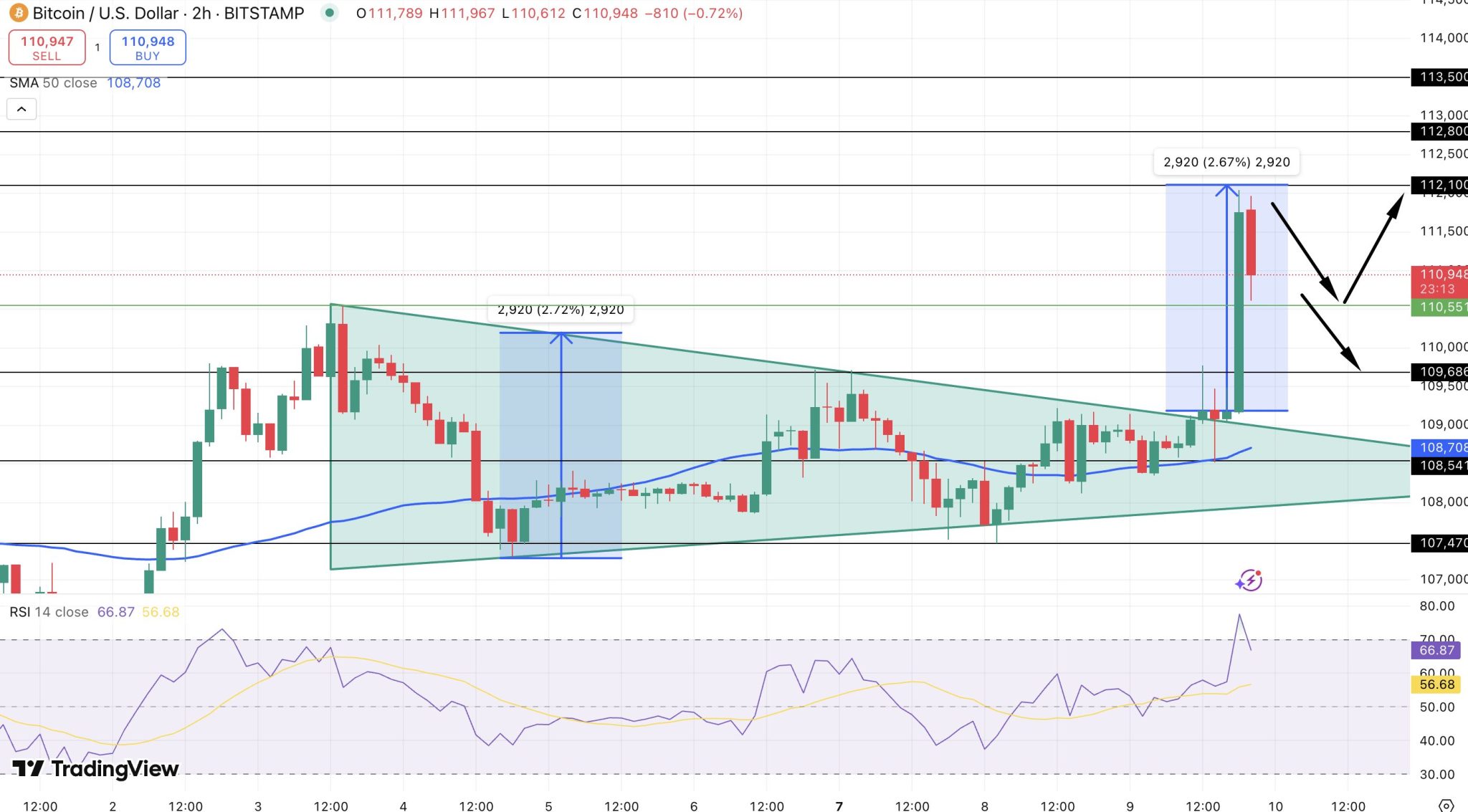
Gold has soared more than eighty percent during the recent period of elevated inflation and global tension, while Bitcoin has dropped fourteen percent year over year. For many, this gap challenges the idea that Bitcoin functions as Digital Gold. The theoretical model suggests assets that hedge inflation should rise when currency weakens. That has been true for gold, but less so for Bitcoin, which remains entangled with risk-on assets and investor sentiment. Despite these setbacks, analysts note that the asset’s core technological and scarcity features remain intact.
Bitcoin Bulls Argue Market Rotation Will Eventually Favor Digital Gold
Prominent Bitcoin supporters argue that the divergence between gold and Bitcoin is temporary. They point to a historical trend where institutional investors revert to familiar assets during uncertainty, avoiding newer stores of value like Bitcoin. One longtime analyst explained that gold’s current surge is a short-lived response to political instability. Institutions often prefer what they know, but Bitcoin’s consistent protocol and transparency make it a superior long-term store of value. Supporters believe that as traditional hard assets become overbought, capital will rotate toward Bitcoin, reinforcing its Digital Gold identity.
In their view, Bitcoin’s recent stagnation does not indicate fading interest but a transfer of ownership. Massive institutional inflows through exchange-traded funds are absorbing supply from early adopters who are now realizing profits. This process, according to market strategists, has created a supply overhang that temporarily limits upside price action but strengthens the long-term distribution of holdings. Once this phase ends, they predict a sharp revaluation as the market acknowledges Bitcoin’s digital scarcity.
Skeptics Question Whether Digital Gold Can Pass the Safe-Haven Test
Not all analysts are convinced. Some note that Bitcoin has failed to behave as a true safe haven during geopolitical crises or inflationary pressure. Gold and silver have consistently outperformed in such conditions, underscoring a broader trust gap between traditional and digital assets. Investors still associate gold with stability, while Bitcoin remains tied to volatility and speculative behavior. Despite this, even skeptics admit that Bitcoin’s role may evolve as market psychology adapts to digital stores of value.
The current transition period highlights the market’s struggle to reconcile new-age digital scarcity with centuries-old confidence in physical metals. Analysts foresee that as financial institutions grow comfortable with tokenized assets, Bitcoin could reclaim its Digital Gold status. Whether it can fully replace gold as the ultimate hedge remains an open question, but its long-term supporters are betting that time is on their side.
Bitcoin’s recent underperformance may be frustrating to investors seeking an inflation hedge, yet the narrative of Digital Gold continues to resonate. While gold enjoys its moment in the spotlight, Bitcoin advocates maintain that the cryptocurrency’s decentralized nature, finite supply, and technological resilience position it as the future of value preservation in a digital world. As capital cycles shift and early supply distribution stabilizes, the Digital Gold narrative may once again define Bitcoin’s next major chapter.