


 Tom Kushner
 BlackRock enters DeFi with its tokenized Treasury fund on Uniswap, signaling a major step in institutional crypto adoption as markets await a shift in sentiment.
BlackRock enters DeFi with tokenized Treasury fund on Uniswap
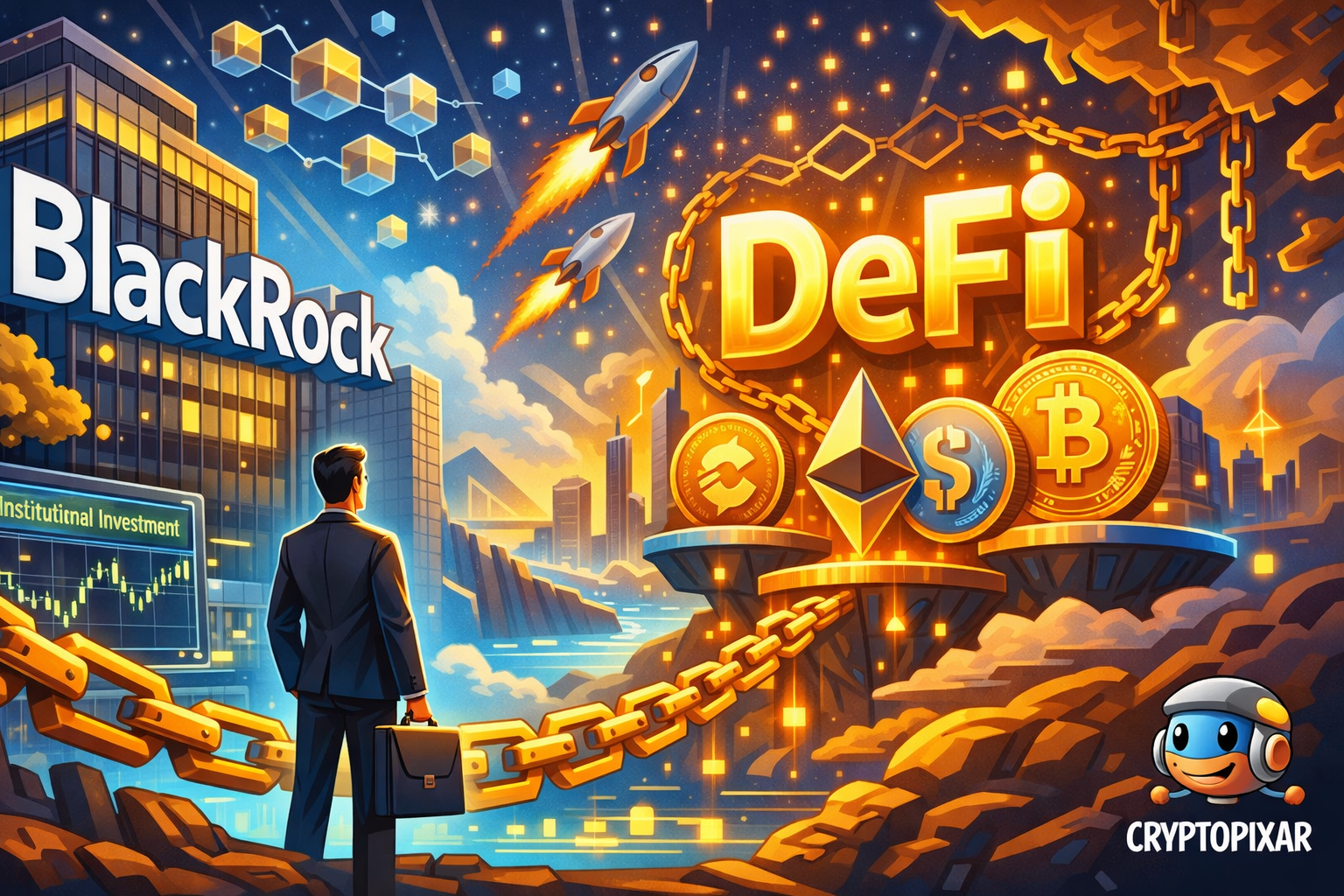
The world’s largest asset manager is officially stepping into decentralized finance. BlackRock enters DeFi this week through the listing of its tokenized US Treasury fund on Uniswap, marking a historic moment in the convergence of traditional finance and blockchain innovation.
While Bitcoin and Ether continue to trade with caution amid ETF outflows and investor fatigue, the move by BlackRock injects new optimism into a sector struggling to regain momentum.
The decision to bring real world assets onto a decentralized platform showcases a significant shift in how institutions are beginning to interact with blockchain infrastructure.
Institutional entry into decentralized finance accelerates
BlackRock enters DeFi not just as a symbolic gesture but as a strategic initiative. The firm’s USD Institutional Digital Liquidity Fund, known as BUIDL, is now available on Uniswap, giving institutional investors access to tokenized Treasury securities directly through decentralized protocols.
The listing represents a fundamental bridge between conventional asset management and the decentralized economy. By utilizing Uniswap, BlackRock effectively opens a gateway for regulated institutions to participate in tokenized financial markets with transparency and control.
The move was coordinated through Securitize, a blockchain tokenization company that has become a key enabler for institutional-grade digital assets. The collaboration enables eligible investors and market makers to trade tokenized securities within the regulatory perimeter while still leveraging decentralized infrastructure.
Securitize CEO Carlos Domingo emphasized that for the first time, institutions can interact with decentralized platforms to manage tokenized real world assets through self-custody. This innovation could redefine how institutions approach liquidity, compliance, and asset tokenization across global markets.
DeFi gains legitimacy as institutions experiment
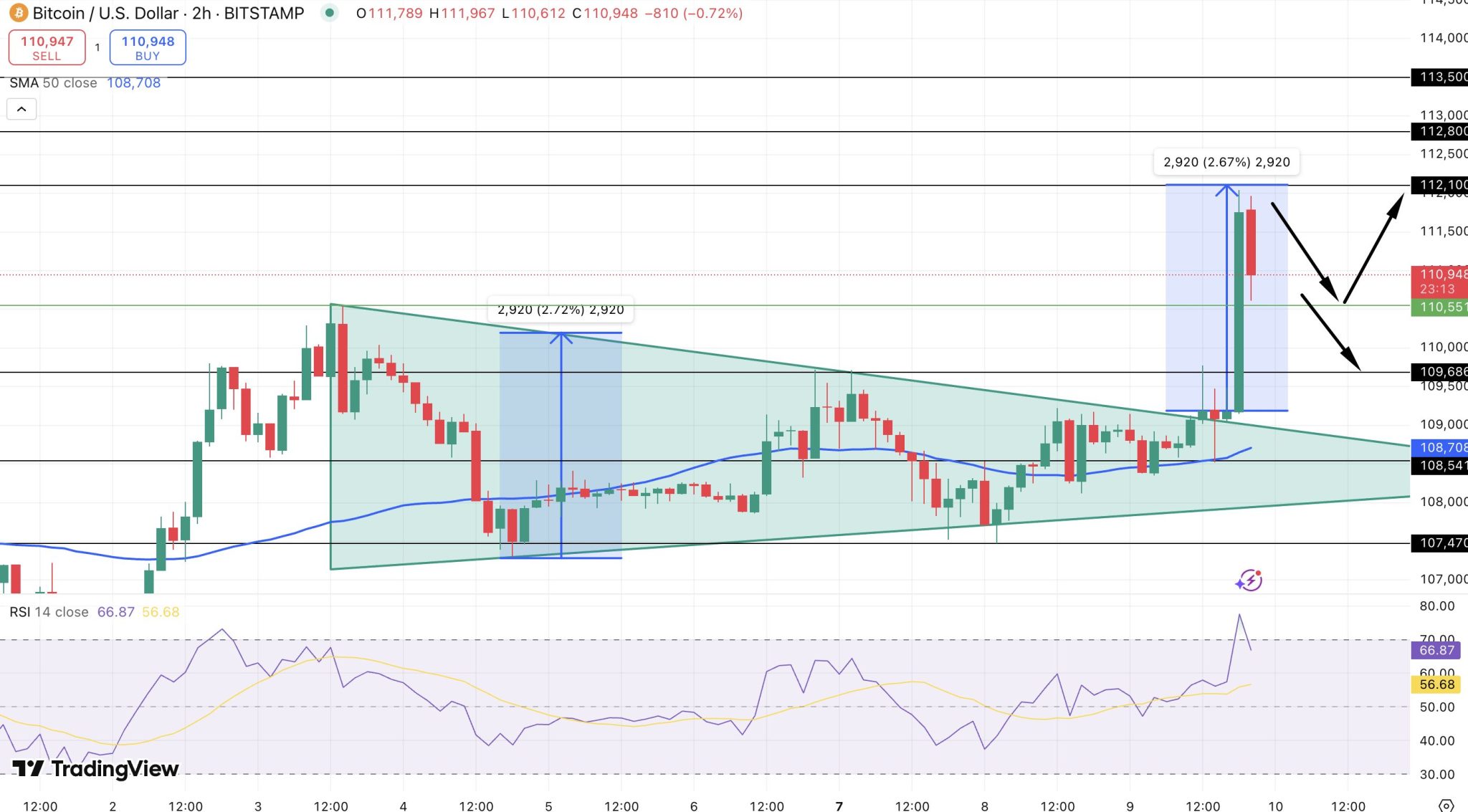
The development comes at a time when confidence in the crypto market remains fragile. Bitcoin and Ether posted modest weekly gains of around 2.5 percent but failed to reclaim major resistance levels. ETF flows remained inconsistent, with Bitcoin products experiencing over $410 million in outflows by the end of the week, while Ether ETFs also saw sustained redemptions.
Despite this turbulence, BlackRock enters DeFi with a clear long term vision. The BUIDL fund currently holds more than $2.18 billion in tokenized Treasury assets and distributes income across multiple blockchains, including Ethereum, Solana, BNB Chain, Avalanche, and Aptos. This multi-chain deployment demonstrates BlackRock’s commitment to broad-based blockchain integration rather than a single network strategy.
The expansion of tokenized funds like BUIDL could set a precedent for how other large financial institutions approach DeFi participation. The ability to tokenize Treasury holdings, streamline settlement, and enhance transparency positions decentralized finance as a credible and efficient alternative for real world asset trading.
In December, the fund surpassed $100 million in cumulative distributions from Treasury yields, reinforcing its status as one of the largest and most stable tokenized investment vehicles globally.
Market implications and the future of institutional DeFi
The entry of BlackRock into decentralized finance is more than a headline. It is a signal that traditional financial powerhouses are beginning to see the practical benefits of blockchain integration. For institutional players, DeFi is evolving from an experimental frontier into a legitimate arena for liquidity management and yield generation.
Market analysts believe that as BlackRock enters DeFi and similar entities follow suit, the sector could experience a new wave of legitimacy and capital inflow. The use of tokenized Treasuries provides a low-risk entry point for regulated institutions to engage with blockchain infrastructure without exposure to volatile crypto assets.
Moreover, the listing on Uniswap is a validation of decentralized exchange technology as a viable framework for compliant financial operations. It blurs the lines between centralized financial controls and the autonomy of decentralized markets.
As regulatory clarity improves and on-chain financial instruments become more sophisticated, institutional adoption is likely to accelerate. The evolution of tokenized assets could reshape the global financial landscape, making it more efficient, accessible, and transparent.
For now, while Bitcoin and Ether struggle to attract sustained buying pressure, the significance of BlackRock entering DeFi cannot be overstated. It marks a pivotal chapter in the journey toward mainstream institutional participation in the decentralized economy.
Disclaimer: Parts of this article were generated with the assistance from AI tools and reviewed by our editorial team to ensure accuracy and adherence to our standards.