


 Rebecca Cruz
 Coinbase reports a $667 million loss in Q4 2025, missing Wall Street expectations as crypto markets slide. Despite the setback, the exchange maintains growth momentum for 2026.
Coinbase Misses Q4 Earnings Amid $667 Million Net Loss
Coinbase misses Q4 earnings as the world’s leading crypto exchange posted its first net loss in over a year, signaling that the turbulence in the crypto market has taken a toll even on the most resilient players. The company revealed a net loss of $667 million for the fourth quarter of 2025, ending an eight-quarter streak of profitability that began during the 2023 recovery cycle.
The latest earnings report showed Coinbase’s earnings per share dropping to 66 cents, falling short of Wall Street’s consensus of 92 cents. Revenue figures also came under pressure, with net revenue sliding 21.5 percent year over year to $1.78 billion, below analyst forecasts of $1.85 billion.
Transaction revenue, traditionally the firm’s primary driver, shrank nearly 37 percent to $982.7 million as retail and institutional trading volumes slowed sharply in the final quarter of 2025.
Subscription Services Offer a Silver Lining
While Coinbase misses Q4 earnings expectations, its subscription and services division emerged as a bright spot. That segment grew more than 13 percent from the previous year, reaching $727.4 million in revenue. This growth was fueled by interest income from stablecoin reserves, staking rewards, and custodial services, which continue to attract institutional clients despite broader market weakness.
The exchange emphasized that 2025 remained a “strong year operationally and financially,” citing a full-year revenue increase of 9.4 percent to $6.88 billion compared to 2024. The company also noted that more than 12 percent of all crypto assets globally now reside on its platform, underscoring its leading position in custody and security for digital assets.
Bitcoin Decline Pressures Trading Volumes
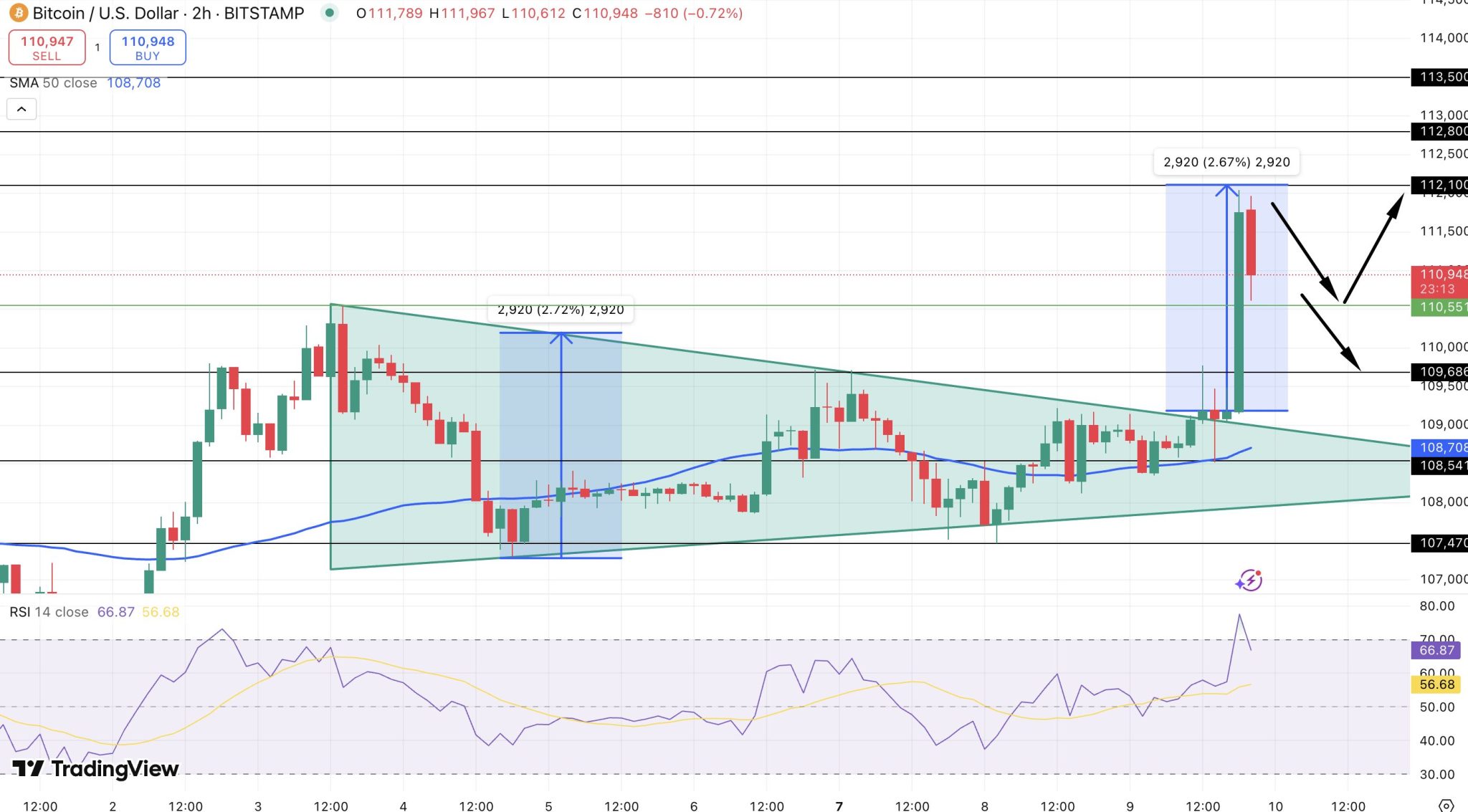
A major reason why Coinbase misses Q4 earnings lies in the steep decline of crypto asset prices during the final months of 2025. Bitcoin, which had surged to $126,080 in early October, tumbled nearly 30 percent by year’s end, closing below $88,500 on December 31. The world’s largest cryptocurrency has continued to struggle in 2026, slipping 25.6 percent year-to-date to trade around $65,760.
This market pullback resulted in subdued trading activity across exchanges and reduced retail participation, directly impacting Coinbase’s fee-based revenue streams. With transaction volumes lagging, the firm’s reliance on diversification through non-trading income sources proved essential for cushioning its financial performance.
Market Reaction and Q1 2026 Outlook
Interestingly, despite the weak earnings report, investors showed mild optimism. Shares of Coinbase rose 2.9 percent in after-hours trading to $145.18 after sliding 7.9 percent earlier in the session. Market participants appeared to focus on the company’s steady long-term performance and improving efficiency metrics rather than its short-term loss.
For the first quarter of 2026, Coinbase expects transaction revenue to total about $420 million as of mid-February. However, management guided that subscription and services revenue may decline from $727.4 million to between $550 million and $630 million due to reduced interest rates and lower staking yields.
Chief Financial Officer Aleshia Haas told investors that Coinbase remains committed to disciplined expense management. “We are going to be nimble as we go through the year and look at the opportunities ahead versus our expenses,” Haas said, adding that technology, sales, and marketing costs will remain relatively stable compared to the prior quarter.
Strategic Positioning in a Volatile Market
Even as Coinbase misses Q4 earnings targets, the company continues to strengthen its product ecosystem. The platform has focused on expanding its institutional services, scaling its on-chain infrastructure, and integrating new yield-generating tools to help users maximize asset utility.
Executives pointed out that the firm’s long-term strategy is built around developing an integrated suite of crypto products, enabling users to trade, stake, and earn in a compliant and secure environment. With ongoing regulatory developments and increasing institutional interest, Coinbase aims to maintain its edge by delivering technology that bridges traditional finance with decentralized networks.
The firm’s operational resilience and global footprint remain crucial as the crypto economy navigates through a challenging phase marked by volatility and tightening liquidity.
A Balancing Act Between Growth and Risk
Coinbase’s recent performance illustrates the delicate balance between expansion and risk management in the evolving digital asset landscape. While short-term headwinds from falling prices and declining trading activity have hurt results, the company’s diversified revenue base and strategic foresight may position it well for recovery once market sentiment improves.
As Coinbase misses Q4 earnings and the broader crypto industry adjusts to new macroeconomic realities, investors are watching closely to see how the exchange leverages its infrastructure and brand trust to capture future growth.
For now, the message from Coinbase is clear adaptability, efficiency, and innovation will remain its guiding principles as it navigates the next chapter of the crypto market cycle.
Disclaimer: Parts of this article were generated with the assistance from AI tools and reviewed by our editorial team to ensure accuracy and adherence to our standards.