


 Rebecca Cruz
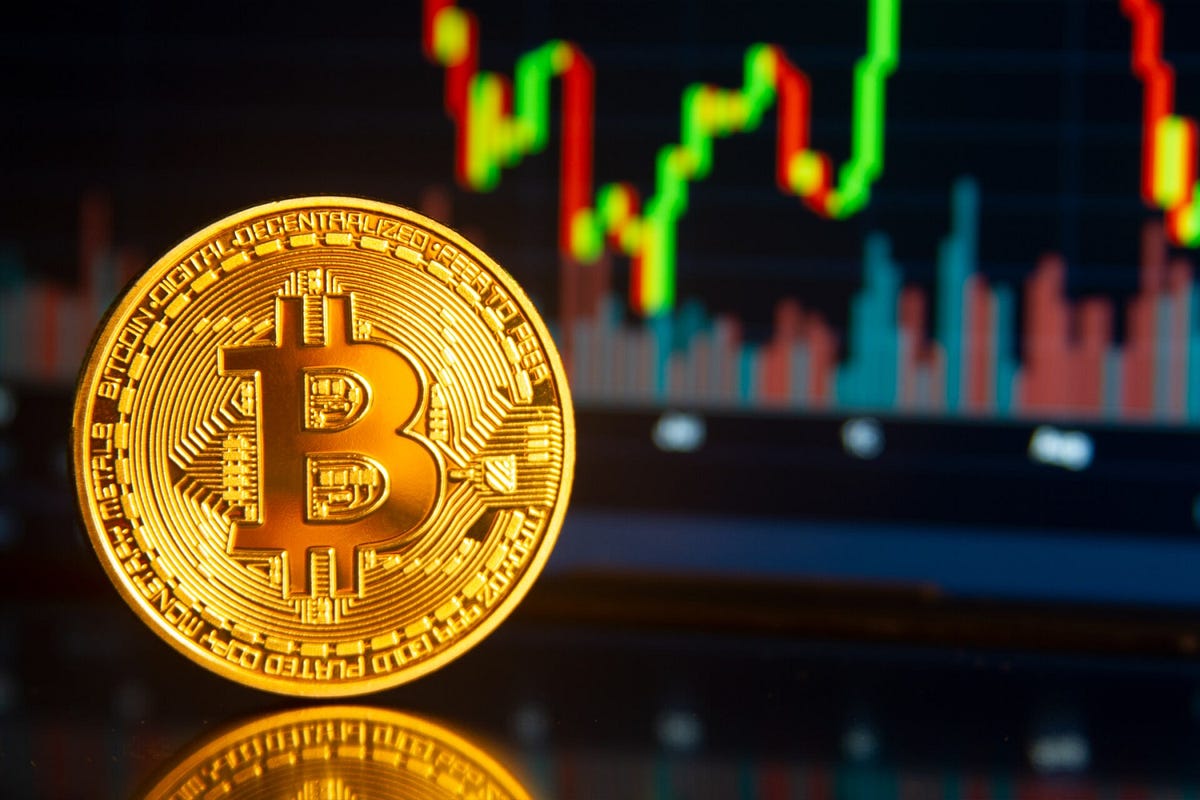
 Denmark’s Danske Bank now lets clients trade Bitcoin and Ether ETPs from BlackRock and WisdomTree, marking a major shift in its crypto stance driven by EU MiCA regulation and customer demand.
In a landmark move signaling Europe’s evolving embrace of digital assets, Danske Bank has opened the doors for retail investors to buy Bitcoin and Ether ETPs directly through its eBanking and Mobile Banking platforms. The decision reflects a growing wave of institutional acceptance of cryptocurrencies, backed by stronger regulation and surging investor appetite.
The announcement marks a dramatic turnaround for Denmark’s largest financial institution, which for years kept a cautious stance toward digital assets. With over five million customers across Northern Europe, Danske Bank is now positioning itself as a gateway for traditional investors seeking regulated exposure to Bitcoin and Ether through exchange-traded products.
A New Era for Crypto Accessibility
The bank’s new offering focuses exclusively on Bitcoin and Ether ETPs from industry giants BlackRock and WisdomTree. These products are now available to self-directed clients investors who trade independently without receiving formal advice. By choosing this route, Danske Bank gives customers a way to participate in the crypto market without the complexities of managing private keys or dealing with unregulated exchanges.
According to Danske Bank’s head of investment products, Kerstin Lysholm, this shift was driven by growing interest from clients who increasingly view digital assets as a legitimate component of diversified portfolios. She emphasized that improved clarity under the European Union’s Markets in Crypto Assets (MiCA) framework has enhanced confidence among investors and financial institutions alike.
The ETPs are structured under the Markets in Financial Instruments Directive II (MiFID II), ensuring transparency in costs and investor protection. This regulatory oversight, combined with the custodial security and liquidity offered by traditional trading platforms, provides an added layer of safety compared to direct crypto ownership.
From Crypto Skepticism to Strategic Inclusion
Just a few years ago, Danske Bank stood firmly against digital assets. In 2018, the bank restricted cryptocurrency-related activities on its platforms, warning customers of risks related to volatility, financial crime, and lack of oversight. While it softened its stance in 2021 by allowing crypto-linked transfers, it maintained that it would not provide direct services.
Now, the introduction of Bitcoin and Ether ETPs marks a calculated shift rather than a full pivot. Lysholm clarified that the move should not be interpreted as an endorsement of cryptocurrencies as a mainstream investment class. Instead, it reflects Danske Bank’s recognition of changing market dynamics and its responsibility to offer customers regulated access while ensuring they understand the associated risks.
To that end, Danske Bank has integrated a suitability check into its system. Before executing any crypto ETP trades, clients must answer a series of questions assessing their experience and knowledge about these high-risk instruments. This safeguard aligns with MiFID II standards and ensures that investors are aware of potential volatility and losses.
Europe’s Banks Join the Crypto Momentum
Danske Bank’s entry into the digital asset market aligns with a broader European trend of traditional banks cautiously venturing into regulated crypto products. BBVA, Spain’s second-largest bank, extended Bitcoin and Ether trading services to retail clients across Spain in 2025 after successfully testing them with private banking clients in Switzerland.
Similarly, Germany’s Deutsche Bank is preparing to launch a crypto custody platform in 2026 through partnerships with Bitpanda and Taurus, signaling growing institutional interest across the continent. The common thread driving these developments is the European Union’s MiCA regulation, which provides a unified legal framework for digital asset operations—offering banks the confidence to innovate within defined compliance boundaries.
A Turning Point for Digital Finance in Denmark
By facilitating access to Bitcoin and Ether ETPs, Danske Bank has effectively transformed Denmark’s retail investment landscape. This move could inspire other Nordic financial institutions to follow suit as investors increasingly seek exposure to the digital economy through secure and regulated channels.
The timing is also strategic. With Bitcoin’s next halving event on the horizon and Ether’s growing utility in decentralized finance, investor enthusiasm for digital assets continues to climb. Offering regulated instruments at this juncture allows Danske Bank to capture demand from clients eager to diversify their holdings without stepping outside the traditional financial ecosystem.
While the bank maintains a cautious tone, its latest move acknowledges an undeniable reality the crypto market is no longer a fringe experiment but an integral part of modern investing. For a financial powerhouse once skeptical of digital assets, Danske Bank’s decision to integrate Bitcoin and Ether ETPs into its trading platform marks a pivotal moment in Europe’s journey toward regulated crypto adoption.
Disclaimer: Parts of this article were generated with the assistance from AI tools and reviewed by our editorial team to ensure accuracy and adherence to our standards.