

 Paul Johnson
 Fidelity has made Solana available to clients across its digital asset platforms, marking a major step in bridging institutional finance with blockchain innovation.
Fidelity Expands Access to Solana as Institutional Interest Surges
Fidelity Investments has officially opened the gates to Solana trading, a move that underscores the growing institutional embrace of digital assets. The inclusion of Solana marks a milestone in Fidelity’s decade-long effort to integrate traditional finance with blockchain-based investment opportunities.
With this integration, Solana can now be traded across Fidelity’s various platforms including Fidelity Crypto, Fidelity Crypto for IRAs, Fidelity Crypto for Wealth Managers, and Fidelity Digital Assets for institutional investors. This move signals a new phase for the company’s digital asset strategy, bridging the gap between conventional wealth management and decentralized finance.
A Fidelity spokesperson noted that the decision builds on the firm’s long-term vision of creating a robust digital infrastructure. The company has consistently invested in technology and education to make digital assets more accessible to investors seeking portfolio diversification beyond conventional markets.
Institutional Adoption Paves Way for a New Financial Era
The arrival of Solana on Fidelity’s platform demonstrates that crypto assets are no longer fringe investments but increasingly recognized as part of mainstream portfolios. The inclusion also highlights the continued shift of institutional sentiment toward blockchain networks that are fast, efficient, and scalable.
As Solana gains traction among major players, its position as one of the most valuable blockchain networks continues to solidify. With a market capitalization of over 104 billion dollars, it currently stands as the sixth-largest cryptocurrency by market value, according to CoinMarketCap.
Institutional investors are drawn to Solana for its low transaction costs, high throughput, and robust developer ecosystem. The network’s design allows for seamless execution of smart contracts and decentralized applications, making it attractive for tokenized financial products and next-generation internet infrastructure. Fidelity’s inclusion of Solana aligns perfectly with these trends, offering both retail and professional investors an efficient gateway into a high-performance blockchain environment.
Solana’s Vision to Become the Internet’s Financial Backbone
Developers within the Solana community envision transforming the blockchain into the backbone of internet capital markets. Their goal is to rival Wall Street by creating a decentralized ecosystem capable of supporting tokenized versions of real-world assets such as equities, bonds, money market funds, and collectibles.
Through tokenization, Solana seeks to unlock liquidity in traditionally illiquid asset classes and provide borderless access to financial instruments. This could allow global users to trade, lend, and invest without the constraints of legacy financial systems.
In recent months, Solana has expanded its ecosystem with cross-chain versions of Tether’s stablecoins, including USDt and Tether Gold. These additions strengthen its role as a hub for stablecoin liquidity and decentralized finance. With multiple stablecoins operating across blockchains, Solana is positioning itself as a central piece of decentralized market infrastructure, offering traders access to deeper liquidity while minimizing volatility and slippage risks.
Fidelity’s support could accelerate this vision by bringing new waves of capital and credibility into the ecosystem. The partnership between a legacy financial institution and a blockchain network like Solana reinforces the narrative that the future of finance is digital, inclusive, and always on.
Regulators Push for Round-the-Clock Markets
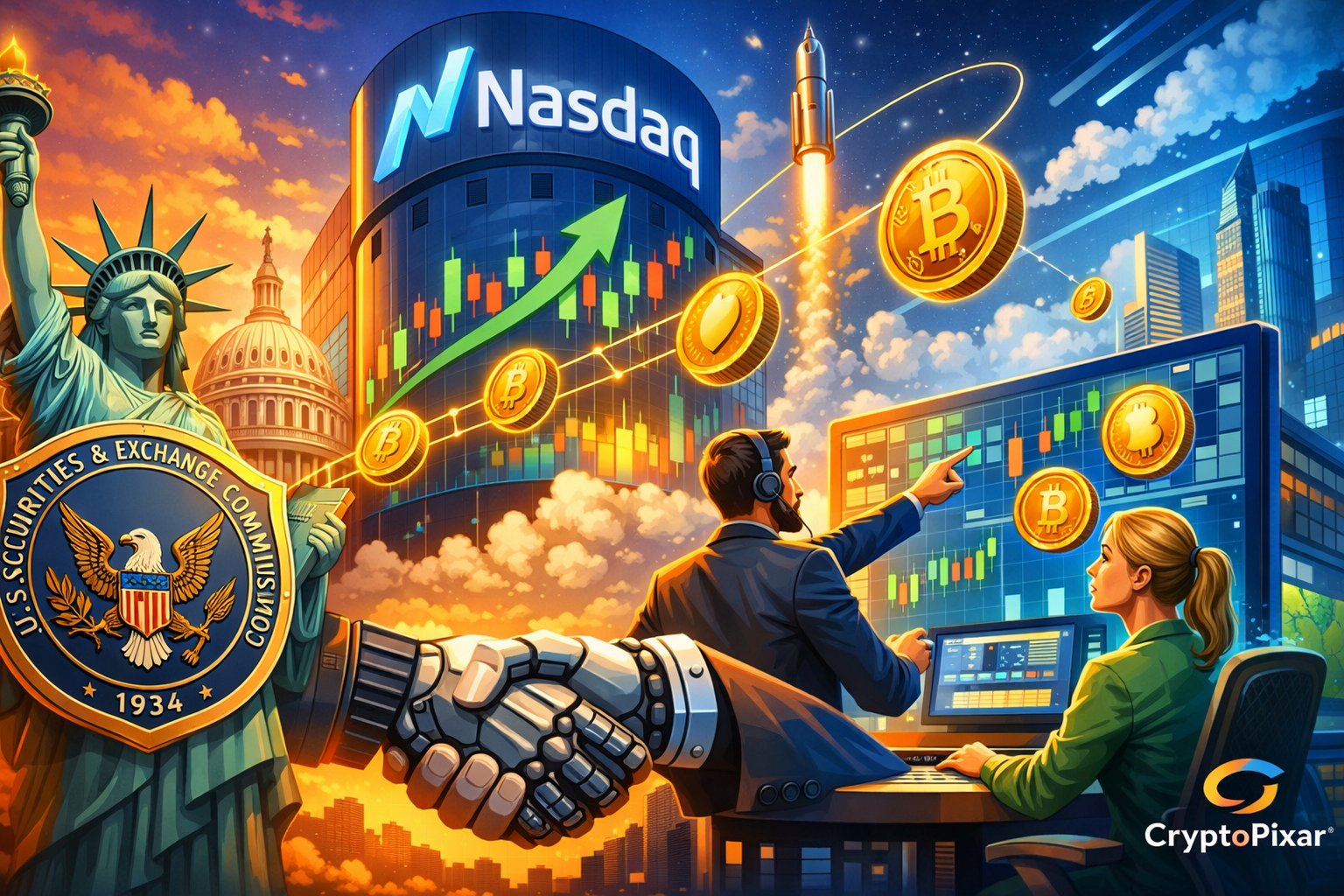
Regulatory developments in the United States are also shaping this transition. Both the Securities and Exchange Commission and the Commodity Futures Trading Commission recently signaled interest in modernizing the traditional financial system, which still operates on restricted trading hours.
A shift toward continuous 24/7 trading would align traditional markets with the operational structure of blockchain networks such as Solana. This convergence would not only enhance liquidity but also ensure that global markets operate seamlessly, reflecting real-time economic activity.
If such a transition unfolds, networks like Solana could become instrumental in supporting tokenized assets, stablecoin settlements, and on-chain financial activities that operate without downtime. Fidelity’s move, therefore, positions it ahead of the curve as financial markets evolve toward digital-first frameworks.
The Road Ahead for Fidelity and Solana
The integration of Solana into Fidelity’s trading ecosystem highlights a growing consensus: blockchain is becoming the foundation of the next financial era. By granting access to both retail and institutional clients, Fidelity has set a precedent for how traditional firms can engage with decentralized technology responsibly and strategically.
As Solana continues to expand its network capabilities and attract institutional-grade adoption, its path toward becoming the home of internet capital markets appears increasingly attainable. Fidelity’s endorsement not only validates Solana’s potential but also reinforces the belief that the future of global finance will be driven by transparency, inclusivity, and innovation on the blockchain.
Disclaimer: Parts of this article were generated with the assistance from AI tools and reviewed by our editorial team to ensure accuracy and adherence to our standards.