







 Rebecca Cruz
 Spot Bitcoin ETFs shed $681 million in early 2026 as rate cut hopes fade and investors turn risk-averse amid growing geopolitical tensions and cautious market sentiment.
Spot Bitcoin ETFs face steep $681 million outflow as investors retreat from risk assets
The first full trading week of 2026 has delivered a reality check to the digital asset market as spot Bitcoin ETFs recorded one of their largest capital outflows since their inception. Data reveals that spot Bitcoin ETFs witnessed combined redemptions worth $681 million over the week, underscoring a growing wave of caution sweeping through global markets.
The shift comes after an optimistic start to the year when institutional flows hinted at renewed confidence in Bitcoin’s long-term resilience. However, as macroeconomic uncertainty intensified and expectations for early rate cuts diminished, investor appetite for risk assets like cryptocurrencies quickly eroded.Market mood turns defensive as rate cut optimism fades
Spot Bitcoin ETFs entered 2026 with strong momentum, registering robust inflows of over $1.1 billion during the first few days of January. But the rally proved short-lived. By midweek, heavy redemptions began to dominate as traders reassessed their exposure to volatile assets.
Wednesday marked the largest single-day pullback, with spot Bitcoin ETFs losing nearly half a billion dollars. The trend continued into Thursday and Friday, signaling a broader shift to defensive positioning across portfolios.
Analysts suggest that the current environment is defined by cautious sentiment rather than outright pessimism. Global investors are digesting mixed signals from the United States Federal Reserve, while ongoing geopolitical flashpoints in Eastern Europe and the Middle East have amplified volatility across equities, bonds, and digital assets alike.
“Investors are recalibrating expectations as early rate cuts appear less probable,” said a senior market strategist at a Singapore-based trading firm. “The appetite for risk has cooled, and capital is gravitating toward safer assets until monetary clarity returns.”
Spot Bitcoin ETFs mirror global risk-off trend
The downturn in spot Bitcoin ETFs mirrors broader market movements where even traditionally resilient sectors are witnessing reduced inflows. Risk assets across equities and commodities have faced similar outflows, driven by investor demand for stability amid rising uncertainty.
Spot Ether ETFs also followed suit, with total weekly outflows nearing $70 million. The parallel declines across multiple crypto-linked funds point to a synchronized risk aversion pattern, reflecting investors’ collective hesitation to maintain aggressive exposure.
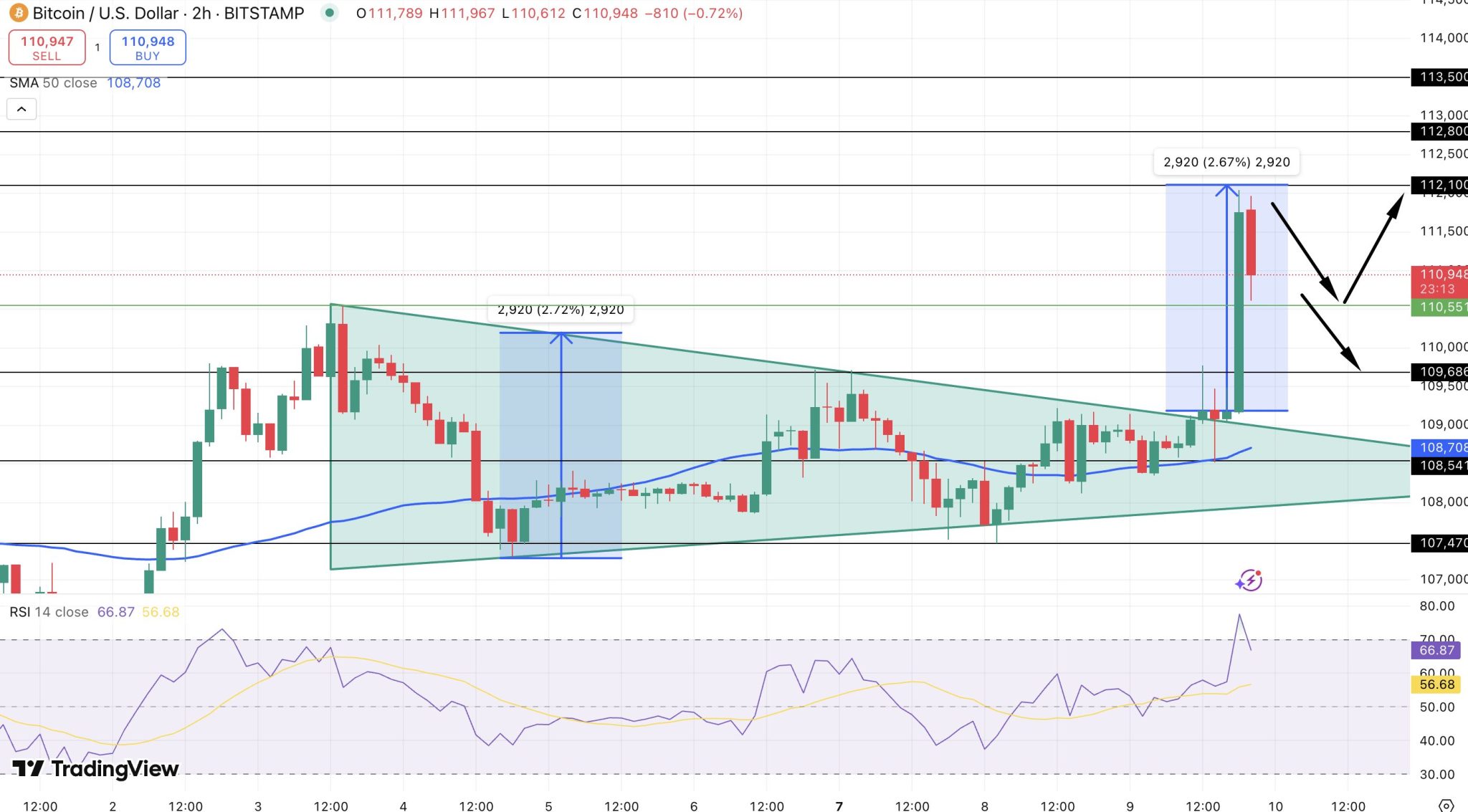
Bitcoin itself has traded range-bound during this period, holding near $43,000 as market participants await fresh catalysts. Trading volumes have thinned, and volatility has compressed, suggesting a temporary phase of consolidation rather than structural weakness.
Market analysts note that while short-term sentiment may be subdued, institutional interest in digital assets remains intact. The entry of traditional financial giants continues to reinforce the long-term case for regulated crypto investment vehicles.
Institutional engagement continues despite turbulence
Even amid the outflows from spot Bitcoin ETFs, Wall Street’s engagement with digital assets shows no sign of retreat. In a significant development, Morgan Stanley has filed applications with the US Securities and Exchange Commission to introduce two new spot crypto ETFs one tracking Bitcoin and another linked to Solana.
This move follows Bank of America’s recent decision to enable its wealth management advisers to recommend select Bitcoin ETFs to their clients, signaling a growing acceptance of crypto exposure within mainstream finance.
Industry observers argue that such institutional moves underscore the deepening integration between traditional finance and digital assets. While near-term flows are dictated by macroeconomic pressures, the underlying trend points to structural adoption and product diversification within the ETF landscape.
“The current correction in spot Bitcoin ETFs may simply be a pause before the next wave of institutional inflows,” commented a portfolio manager at a New York-based asset management firm. “Major banks entering the ETF arena reinforces the credibility of crypto as an investable asset class.”
Outlook: cautious near term, constructive long term
The next few weeks could prove decisive for the direction of spot Bitcoin ETFs as investors look for clarity from inflation data and Federal Reserve commentary. The US Consumer Price Index reading and upcoming FOMC statements are expected to shape sentiment on whether monetary easing could resume in the first half of 2026.
Should macro conditions stabilize, analysts anticipate a rebound in ETF inflows as traders reposition for potential upside in Bitcoin and other leading digital assets. For now, though, the market remains in a wait-and-watch mode, balancing optimism around institutional growth against persistent macro headwinds.
Despite the short-term retreat, the long-term narrative for spot Bitcoin ETFs remains constructive. The continued expansion of product offerings by major banks such as Morgan Stanley reinforces the growing legitimacy of digital assets in the global financial ecosystem.
As the crypto market matures, the behavior of spot Bitcoin ETFs will increasingly serve as a key barometer for institutional sentiment reflecting not only market volatility but also the evolving relationship between traditional finance and decentralized innovation.
Disclaimer: Parts of this article were generated with the assistance from AI tools and reviewed by our editorial team to ensure accuracy and adherence to our standards