


 Tom Kushner
 Dubai and the Maldives are spearheading a global shift toward tokenized real estate, with major projects involving Ripple Custody, DarGlobal, and Trump-linked developments reshaping how investors access luxury property markets.
Tokenized Real Estate Projects Gain Traction Across Dubai and Maldives
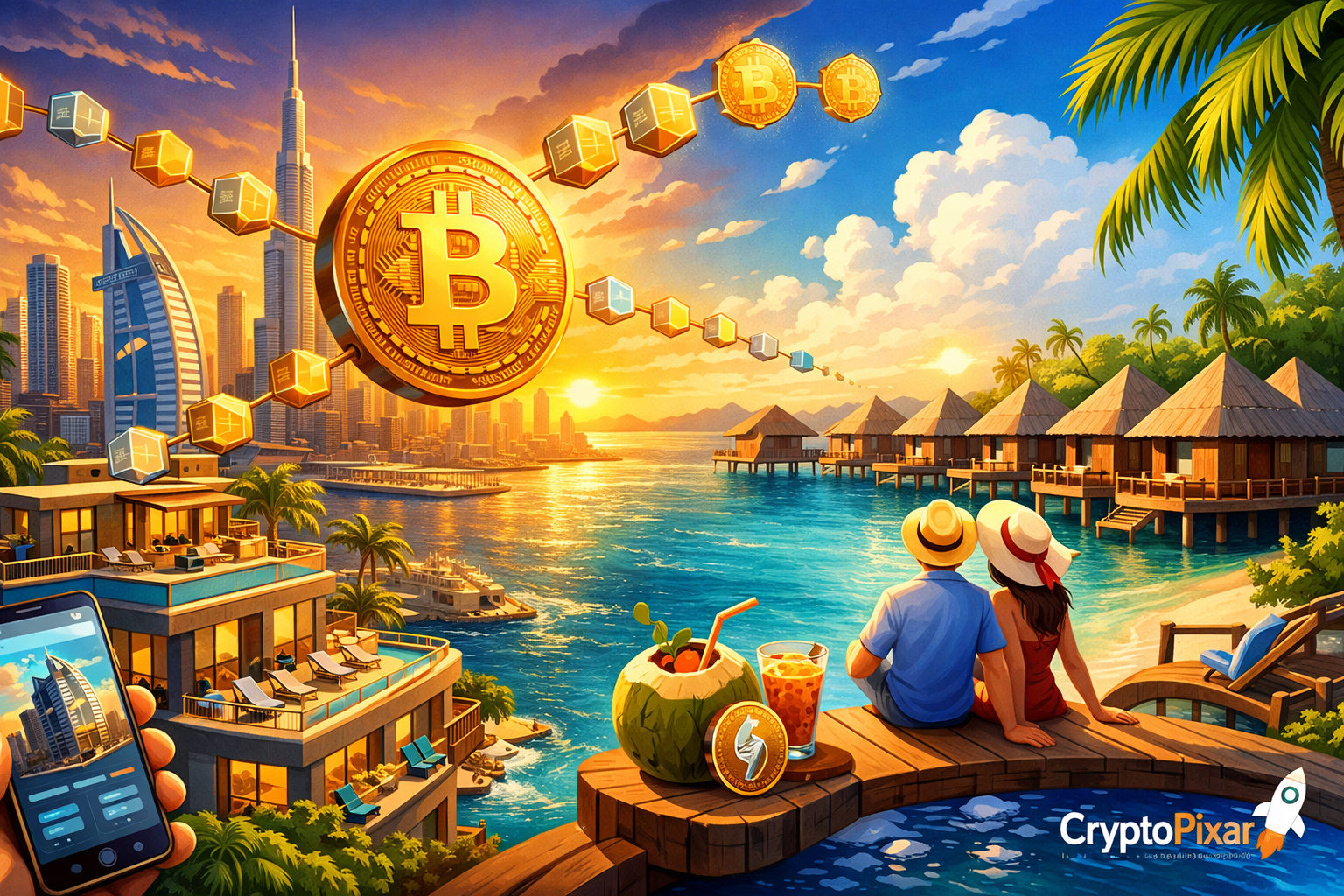
The global property market is entering a transformative phase as tokenized real estate gains ground in two of the world’s most dynamic destinations Dubai and the Maldives. The twin announcements this week from Dubai’s Land Department and a Trump-linked resort venture in the Maldives signal a growing acceptance of blockchain-backed property investment as the future of real estate finance.
Dubai, long known as a hub for innovation and wealth creation, is pushing forward with a groundbreaking pilot under the Dubai Land Department. The initiative allows luxury property assets to be digitized and represented as blockchain-based tokens. Meanwhile, in the Maldives, a Trump-branded luxury resort is set to follow the same trajectory, linking high-end hospitality development with blockchain-powered ownership opportunities.
This rapid advancement showcases how tokenized real estate is evolving from an emerging concept into a multi-billion-dollar investment mechanism that could redefine property ownership, liquidity, and access for global investors.
Dubai’s Real Estate Market Accelerates Tokenization
Dubai’s Land Department this week confirmed the launch of the second phase of its real estate tokenization pilot program. The pilot, initially involving roughly $5 million worth of tokenized assets, has now expanded to enable secondary market trading through millions of newly issued blockchain tokens.
The department’s tokenization partner, Ctrl Alt, is a licensed Virtual Asset Service Provider in Dubai responsible for managing the issuance of Asset-Referenced Virtual Asset management tokens. This system allows investors to buy, sell, and trade property tokens seamlessly onchain.
Each transaction for tokenized real estate within this framework is securely recorded on the XRP Ledger, leveraging Ripple Custody to maintain compliance and ensure asset safety. The partnership between Dubai’s regulators and blockchain technology providers marks a clear step toward legitimizing digital asset-backed property transactions within mainstream markets.
In May 2025, Dubai officials estimated that tokenized real estate could represent as much as $16 billion in market activity by 2033 approximately 7% of all property transactions in the emirate. This projection underscores the city’s ambition to merge traditional asset management with next-generation blockchain infrastructure.
Industry analysts point to Dubai’s transparent regulatory framework and openness to digital innovation as key reasons why it remains at the forefront of global tokenization trends. The emirate’s efforts reflect a larger global movement toward making property investments more fractionalized, liquid, and accessible through tokenized real estate platforms.
Trump-Linked Resort in Maldives Embraces Blockchain Investment
Adding momentum to this movement, a high-profile development in the Maldives has entered the tokenized real estate market. The Trump-branded resort project, led by DarGlobal in partnership with World Liberty Financial a crypto venture supported by President Donald Trump and his sons announced plans to tokenize the development phase of its luxury property venture.
The project’s tokenization process will be facilitated by Securitize, a well-known financial technology firm that specializes in compliant blockchain investment platforms. This initiative allows investors from across the world to gain exposure to a share of the Maldives’ expanding luxury real estate market through blockchain-backed tokens, removing traditional geographic and capital barriers.
DarGlobal CEO Ziad El Chaar said the initiative will revolutionize how property projects are financed and accessed. He noted that tokenized real estate can open investment opportunities for a broader range of participants who previously lacked entry points into premium real estate ventures.
The announcement was made at a crypto-themed event hosted at Trump’s Mar-a-Lago estate in Florida, attended by key figures from both traditional finance and the digital asset world. Prominent guests included Goldman Sachs CEO David Solomon, Coinbase CEO Brian Armstrong, and U.S. Senators Ashley Moody and Bernie Moreno a clear signal of growing institutional curiosity surrounding the merging of real estate and blockchain finance.
A New Era for Global Real Estate Investment
The twin developments in Dubai and the Maldives highlight a powerful trend: tokenized real estate is becoming a viable alternative to conventional property ownership models. By digitizing physical assets into blockchain tokens, real estate developers can increase liquidity and attract investors seeking fractional access to high-value assets.
For retail investors, tokenized real estate offers the ability to own a digital stake in global properties without the complexities of traditional land ownership. For developers and financial institutions, it introduces new funding models and secondary market opportunities that could vastly expand global capital participation in property markets.
The growing participation of major entities such as Ripple, Securitize, and government-backed departments like Dubai’s Land Department suggests that tokenized real estate is poised to become a structural component of the future economy.
As Dubai and the Maldives move ahead with these pioneering projects, they are setting the stage for an international shift that could redefine the meaning of property ownership. In a world where blockchain and real-world assets are merging faster than ever, tokenized real estate may well be the next trillion-dollar asset class reshaping the landscape of global investment.
Disclaimer: Parts of this article were generated with the assistance from AI tools and reviewed by our editorial team to ensure accuracy and adherence to our standards.