


 Paul Johnson
 US President Donald Trump ends the record 43-day government shutdown, restarting federal operations and paving the way for renewed crypto regulatory activity at the SEC, CFTC, and Treasury.
Trump Ends Historic US Government Shutdown
After a record 43-day halt in federal operations, the United States government is officially back in action. President Donald Trump signed a bipartisan funding bill passed by Congress, marking the end of the longest shutdown in American history. The bill, which was delayed due to political friction over healthcare spending, will fund operations through January 30, providing temporary relief while broader fiscal negotiations continue.
The bill’s passage offers more than a return to routine governance. It restores momentum across sectors that were frozen during the shutdown, particularly in the fast-evolving digital asset landscape. With federal agencies resuming work, long-stalled crypto initiatives and regulatory reviews are expected to regain traction.
Crypto Regulation Resumes as Federal Agencies Reopen
For the crypto industry, the reopening of the government signals a crucial turning point. During the shutdown, agencies like the Securities and Exchange Commission (SEC) and the Commodity Futures Trading Commission (CFTC) were forced to pause several ongoing digital asset initiatives. Now, as staff return to their desks, pending decisions that could shape the future of crypto in the United States are back on the table.
The SEC, which has been evaluating a series of applications for spot crypto exchange-traded funds, is expected to reinitiate its review process. Market participants had grown increasingly anxious as the shutdown left ETF approvals in limbo. Industry analysts believe the resumption of operations could accelerate pending reviews and bring long-awaited clarity to institutional investors waiting to enter the market.
Meanwhile, the CFTC is preparing for a key confirmation hearing scheduled for November 19. Mike Selig, President Trump’s nominee to lead the agency, is expected to face questions on his approach to crypto derivatives and market oversight. The outcome of this hearing could define how the United States regulates futures and options tied to digital assets in the coming years.
Treasury to Advance Stablecoin Policy Work
Another major development concerns the US Treasury, which can now resume its analysis of public feedback on the GENIUS Act a proposed framework for stablecoin regulation. The consultation period, which ran through October and early November, aims to establish clear operational and reserve requirements for issuers of stablecoins.
The GENIUS Act is viewed as a critical step toward integrating stablecoins into the regulated financial system. With the Treasury back to full capacity, market observers expect progress on the proposal to pick up speed, providing more predictability for both fintech companies and investors operating in the stablecoin ecosystem.
Analysts note that this renewed focus could also influence global discussions on digital currencies. The United States’ stablecoin policy has implications far beyond its borders, as it could serve as a model for other major economies exploring digital payment infrastructure.
Market Reactions Remain Subdued
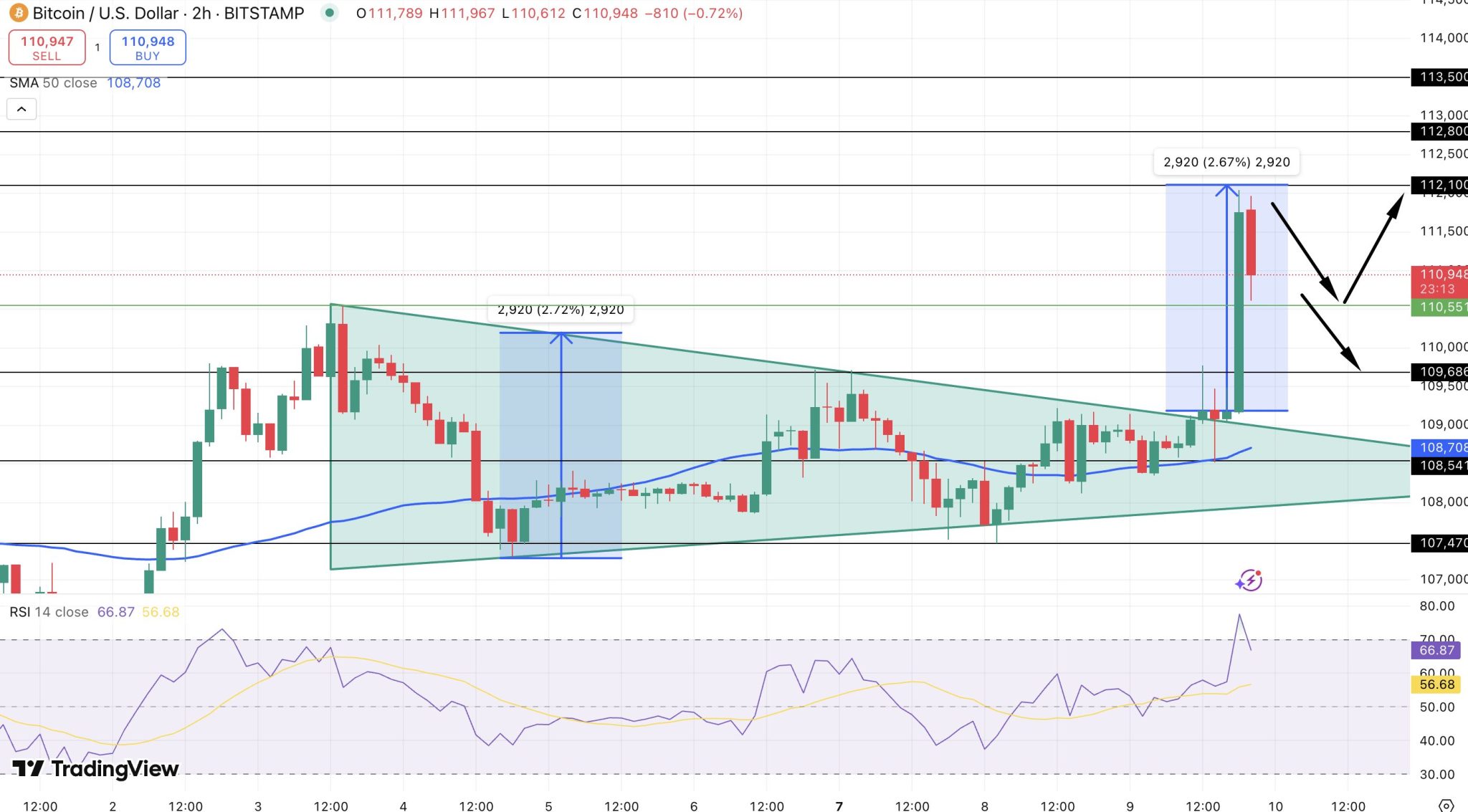
Despite the political breakthrough, crypto markets have shown a muted response to the reopening of the government. Bitcoin and other leading digital assets have traded flat since the announcement, suggesting that investors had already priced in the likelihood of a resolution.
Historically, past government reopenings have led to strong market rallies, especially when tied to fiscal stimulus measures. However, with the current funding bill providing only temporary relief, traders appear to be waiting for more concrete policy developments before making decisive moves.
Still, the return of regulatory clarity could become a catalyst in the weeks ahead. Once the SEC resumes its crypto ETF evaluations and the Treasury advances its stablecoin agenda, renewed optimism could find its way into digital asset valuations.
A Reboot for Crypto Policy in Washington
The end of the shutdown is more than a political milestone it represents a reboot for US crypto policy. The combined efforts of the SEC, CFTC, and Treasury are expected to shape the next chapter of digital asset regulation, from spot ETF approvals to stablecoin frameworks and market oversight.
President Trump’s decision to sign the funding bill not only reopens federal operations but also reactivates the policy engines that drive innovation in the crypto economy. If Washington can maintain momentum and avoid further gridlock, 2026 could emerge as a defining year for crypto regulation and adoption in the United States.
For now, the focus shifts back to the agencies that hold the keys to the next phase of crypto progress signaling a return to business for both government and digital markets alike.
Disclaimer: Parts of this article were generated with the assistance from AI tools and reviewed by our editorial team to ensure accuracy and adherence to our standards.